Glucagon-Like Peptide 2 Receptor Antibodies
The glucagon-like peptide-2 receptor (GLP2) is a class B G protein-coupled receptor primarily involved in intestinal growth, barrier function, and nutrient absorption. Pharmacologically, it is activated by the endogenous hormone GLP2 and by therapeutic analogs such as teduglutide, which is used in the treatment of short bowel syndrome to enhance intestinal adaptation. Upon ligand binding, GLP2 mainly couples to Gs proteins, leading to activation of adenylate cyclase, elevation of intracellular cyclic AMP, and downstream activation of protein kinase A–dependent signaling pathways. These signaling events promote epithelial cell proliferation, reduce apoptosis, increase mucosal blood flow, and improve intestinal barrier integrity. Additional pathways, including phosphatidylinositol 3-kinase and MAP kinase signaling, may contribute to trophic and cytoprotective effects in the gut. GLP2 expression is predominantly localized to enteric neurons, subepithelial myofibroblasts, and certain enteroendocrine cells rather than directly on intestinal epithelial cells. This distribution supports an indirect mechanism of action in which neural and paracrine mediators regulate intestinal growth and function. Due to these combined pharmacological and signaling properties, GLP2 represents an important therapeutic target in disorders characterized by impaired intestinal absorption or mucosal injury. For more information on GIPR pharmacology please refer to the IUPHAR database. For further reading refer to:
Mayo KE, Miller LJ, Bataille D, Dalle S, Göke B, Thorens B, Drucker DJ. International Union of Pharmacology. XXXV. The glucagon receptor family. Pharmacol Rev. 2003 Mar;55(1):167-94. doi: 10.1124/pr.55.1.6. PMID: 12615957.
Bataille D, Chan SL, Delagrange P, Drucker DJ, Göke B, Hills R, Mayo KE, Miller LJ, Salvatori R, Thorens B. Glucagon receptor family in GtoPdb v.2023.1. IUPHAR/BPS Guide to Pharmacology CITE. 2023; 2023(1).
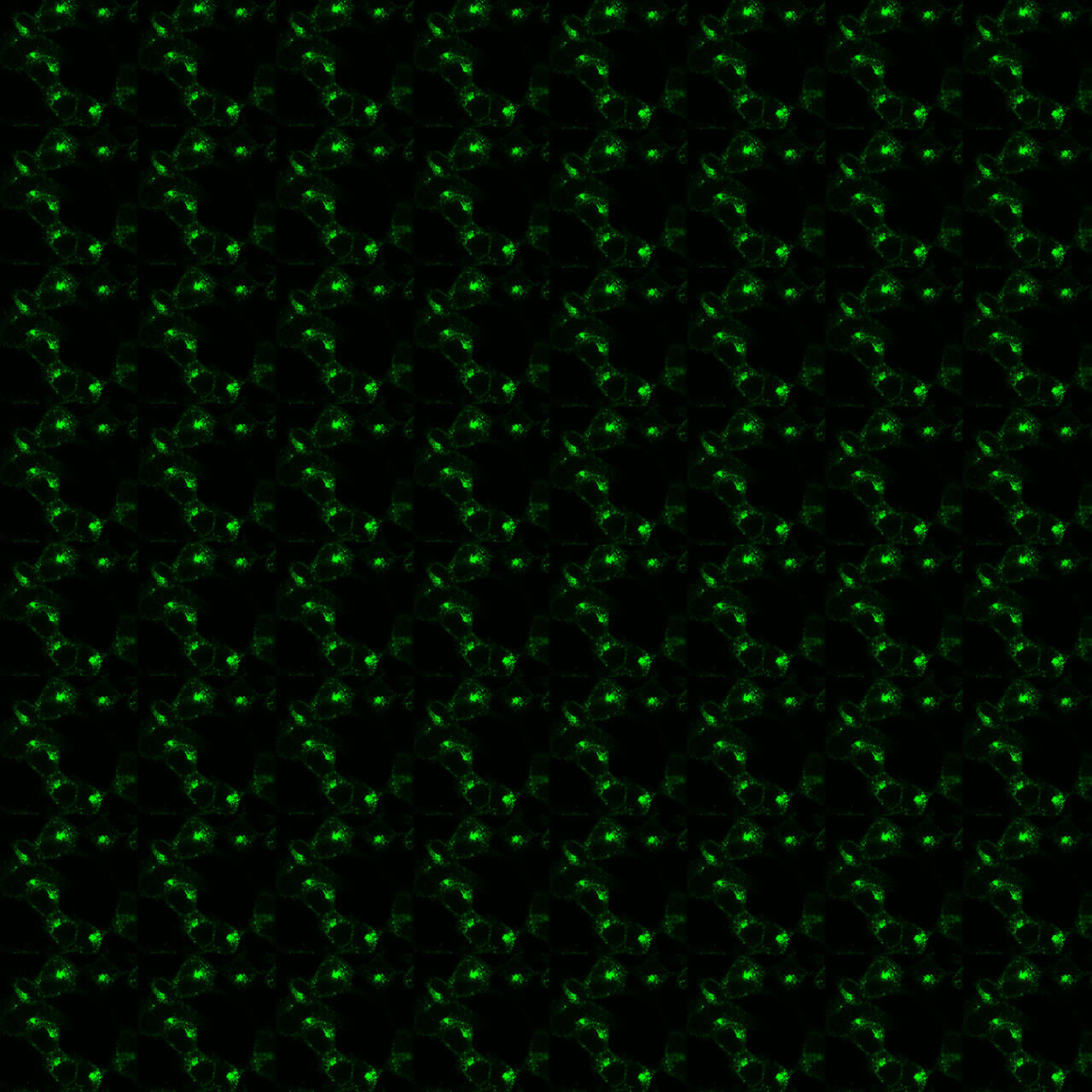
 GLP2 (non-phospho) Glucagon-Like Peptide 2...
  GLP2 (IHC-grade), Glucagon-Like Peptide 2...