Premium Phosphosite-Specific 7TM Antibodies
Your Resource for GPCR Research
Select Your Country of Delivery below

GPR142 Receptor Antibodies

Close filters
No results were found for the filter!
NEW
GPR142 (non-phospho), G protein-coupled Receptor 142 Antibody
GPR142 (non-phospho), G protein-coupled...
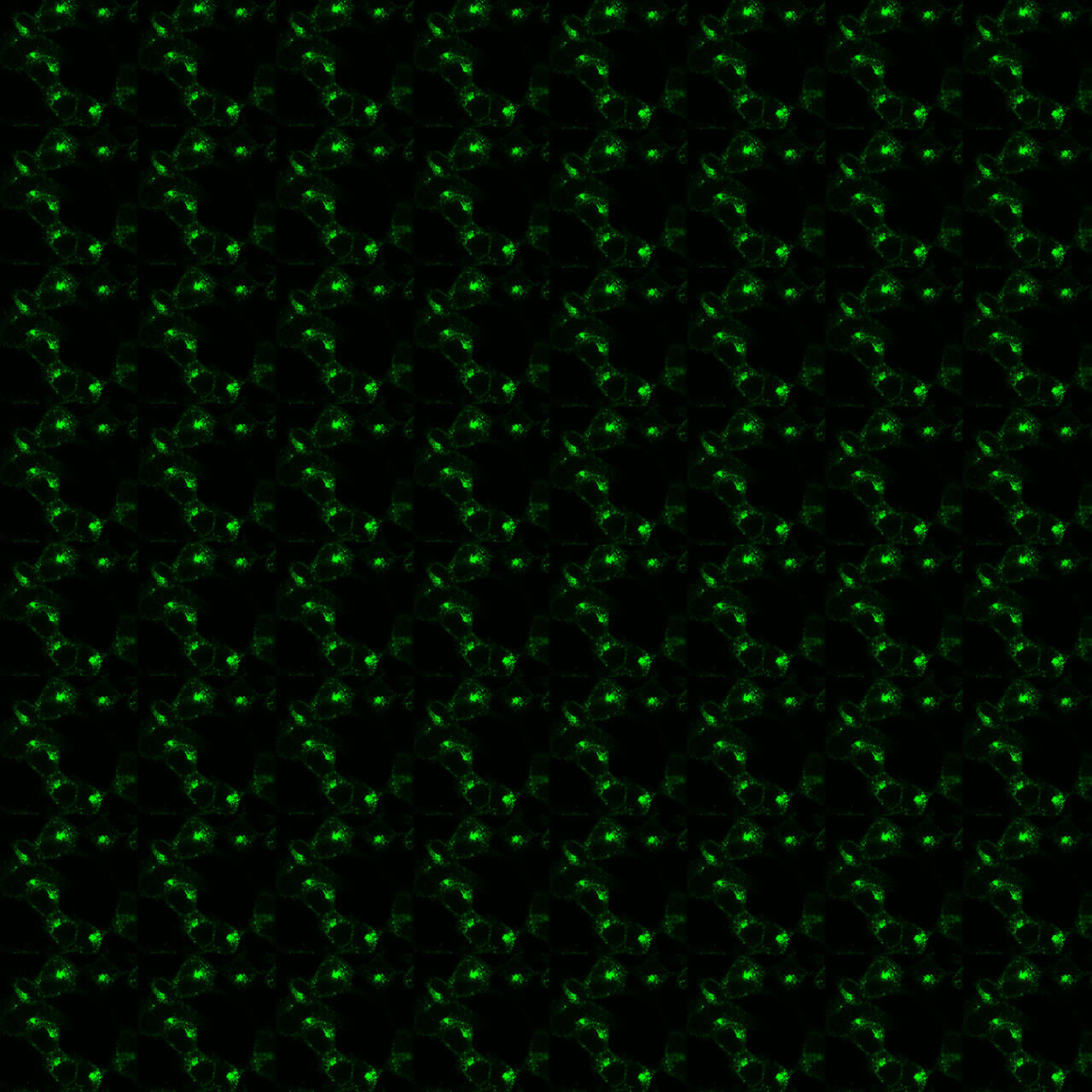
The non-phospho-GPR142 receptor antibody is directed against the distal end of the carboxyl-terminal tail of human GPR142. It can be used to detect total GPR142 receptors in Western blots independent of phosphorylation. The GPR142...
375.00 € *

GPR142 is a class A GPCR that functions as a nutrient-sensing receptor for aromatic amino acids and is particularly responsive to L-tryptophan and, to a lesser extent, L-phenylalanine. The receptor is highly expressed in pancreatic islets, where it is present in both β-cells and α-cells, and is also expressed in enteroendocrine cells of the gastrointestinal tract. GPR142 predominantly signals through Gq/11, leading to phospholipase C activation, intracellular Ca2+ mobilization and ERK phosphorylation, while Gi/o-mediated signaling has also been reported. Activation of GPR142 stimulates glucose-dependent insulin secretion and promotes the release of several gut and pancreatic hormones, including GIP, GLP-1, CCK and glucagon. These effects can improve glucose tolerance and insulin sensitivity in preclinical models, making GPR142 an attractive potential target for type 2 diabetes and metabolic disease. Synthetic GPR142 agonists have been developed, including LY3325656, aminopyrazole- and triazole-based agonists, and several compounds have demonstrated glucose-lowering and insulinotropic effects in animal models. LY3325656 progressed into a Phase I clinical study for type 2 diabetes, but no GPR142 agonist has subsequently become an approved medicine. In addition, the selective antagonist CLP-3094 has been described as a pharmacological tool and has shown anti-inflammatory effects in experimental models. Overall, GPR142 represents a relatively well-characterized nutrient-sensing GPCR with substantial preclinical pharmacological validation, but its therapeutic potential in humans remains unproven. For more information on GPR142 pharmacology please refer to the IUPHAR database. For further reading refer to:

Davenport AP, Alexander SP, Sharman JL, Pawson AJ, Benson HE, Monaghan AE, Liew WC, Mpamhanga CP, Bonner TI, Neubig RR, Pin JP, Spedding M, Harmar AJ. International Union of Basic and Clinical Pharmacology. LXXXVIII. G protein-coupled receptor list: recommendations for new pairings with cognate ligands. Pharmacol Rev. 2013 May 17;65(3):967-86. doi: 10.1124/pr.112.007179. PMID: 23686350; PMCID: PMC3698937.

Alexander SP, Battey J, Benson HE, Benya RV, Bonner TI, Davenport AP, Dhanachandra Singh K, Eguchi S, Harmar A, Holliday N, Jensen RT, Karnik S, Kostenis E, Liew WC, Monaghan AE, Mpamhanga C, Neubig R, Pawson AJ, Pin JP, Sharman JL, Spedding M, Spindel E, Stoddart L, Storjohann L, Thomas WG, Tirupula K, Vanderheyden P. Class A Orphans in GtoPdb v.2023.1. IUPHAR/BPS Guide to Pharmacology CITE. 2023; 2023(1). Available from: https://doi.org/10.2218/gtopdb/F16/2023.1.

GPR142 is a class A GPCR that functions as a nutrient-sensing receptor for aromatic amino acids and is particularly responsive to L-tryptophan and, to a lesser extent, L-phenylalanine. The... read more »
Close window
GPR142 Receptor Antibodies

GPR142 is a class A GPCR that functions as a nutrient-sensing receptor for aromatic amino acids and is particularly responsive to L-tryptophan and, to a lesser extent, L-phenylalanine. The receptor is highly expressed in pancreatic islets, where it is present in both β-cells and α-cells, and is also expressed in enteroendocrine cells of the gastrointestinal tract. GPR142 predominantly signals through Gq/11, leading to phospholipase C activation, intracellular Ca2+ mobilization and ERK phosphorylation, while Gi/o-mediated signaling has also been reported. Activation of GPR142 stimulates glucose-dependent insulin secretion and promotes the release of several gut and pancreatic hormones, including GIP, GLP-1, CCK and glucagon. These effects can improve glucose tolerance and insulin sensitivity in preclinical models, making GPR142 an attractive potential target for type 2 diabetes and metabolic disease. Synthetic GPR142 agonists have been developed, including LY3325656, aminopyrazole- and triazole-based agonists, and several compounds have demonstrated glucose-lowering and insulinotropic effects in animal models. LY3325656 progressed into a Phase I clinical study for type 2 diabetes, but no GPR142 agonist has subsequently become an approved medicine. In addition, the selective antagonist CLP-3094 has been described as a pharmacological tool and has shown anti-inflammatory effects in experimental models. Overall, GPR142 represents a relatively well-characterized nutrient-sensing GPCR with substantial preclinical pharmacological validation, but its therapeutic potential in humans remains unproven. For more information on GPR142 pharmacology please refer to the IUPHAR database. For further reading refer to:

Davenport AP, Alexander SP, Sharman JL, Pawson AJ, Benson HE, Monaghan AE, Liew WC, Mpamhanga CP, Bonner TI, Neubig RR, Pin JP, Spedding M, Harmar AJ. International Union of Basic and Clinical Pharmacology. LXXXVIII. G protein-coupled receptor list: recommendations for new pairings with cognate ligands. Pharmacol Rev. 2013 May 17;65(3):967-86. doi: 10.1124/pr.112.007179. PMID: 23686350; PMCID: PMC3698937.

Alexander SP, Battey J, Benson HE, Benya RV, Bonner TI, Davenport AP, Dhanachandra Singh K, Eguchi S, Harmar A, Holliday N, Jensen RT, Karnik S, Kostenis E, Liew WC, Monaghan AE, Mpamhanga C, Neubig R, Pawson AJ, Pin JP, Sharman JL, Spedding M, Spindel E, Stoddart L, Storjohann L, Thomas WG, Tirupula K, Vanderheyden P. Class A Orphans in GtoPdb v.2023.1. IUPHAR/BPS Guide to Pharmacology CITE. 2023; 2023(1). Available from: https://doi.org/10.2218/gtopdb/F16/2023.1.

Recently viewed